
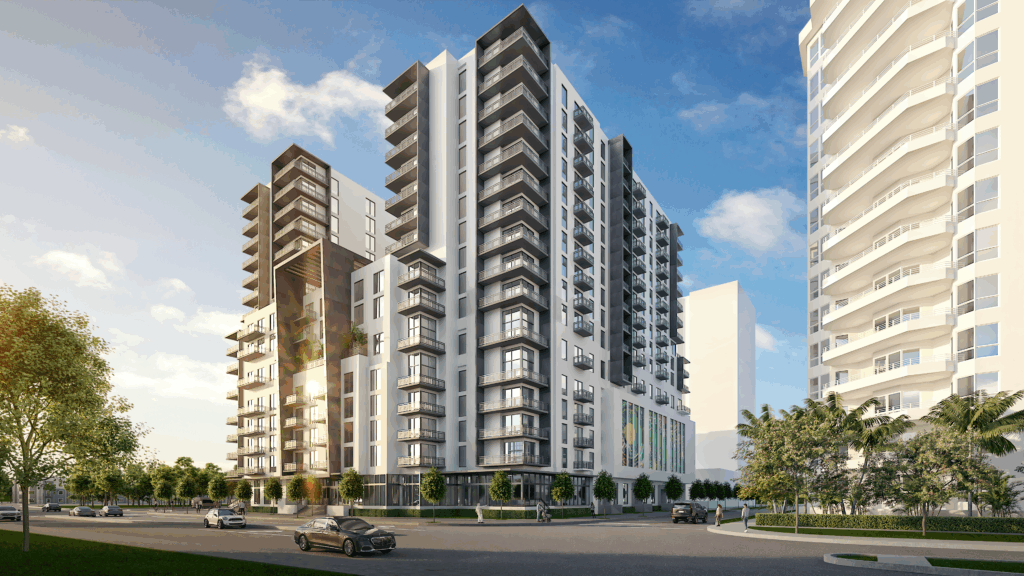
One of the most common surprises buyers encounter when purchasing a new construction condo is learning that rentals are restricted—or not allowed at all.
This isn’t an oversight.
It’s a deliberate design choice made long before the first unit is sold.
Here’s why these restrictions exist and what they actually signal about a building.
It Starts With Long-Term Property Value
Buildings with high rental turnover often:
- Feel transient rather than residential
- Experience faster wear on common areas
- Trade at lower resale premiums over time
By limiting rentals, developers aim to attract more owner-occupants, creating a stable community that tends to support stronger long-term values.
This is especially important in luxury and branded developments, where the lifestyle experience is a core part of the value proposition.
Financing Plays a Bigger Role Than Most Buyers Realize
Lenders closely monitor how many units in a condo building are rented.
If rental ratios are too high:
- Fewer buyers qualify for conventional mortgages
- Financing options narrow
- Resale liquidity declines
Rental restrictions help ensure that future buyers can still obtain financing, which protects the building’s long-term marketability.
Insurance and Risk Management Matter
Insurance carriers assess risk based on how a building is used.
High tenant turnover can lead to:
- Increased insurance premiums
- Stricter underwriting
- Greater exposure to claims
By limiting rentals, condo associations can manage risk more effectively and keep insurance costs more predictable for owners.
Preserving the Community and Lifestyle
Many new construction condos are designed as residential communities, not short-term accommodations.
Frequent tenant turnover can:
- Disrupt residents
- Overuse amenities
- Change the overall feel of the building
Rental restrictions help preserve privacy, consistency, and the quality of shared spaces—key factors for buyers who plan to live in or regularly use the property.
Operational and Maintenance Considerations
More rentals often mean:
- Higher elevator usage
- Increased security needs
- Faster wear on amenities
Limiting rentals allows HOAs to better control operating costs and reduce the risk of special assessments over time.
A Developer’s Sales Strategy
During early sales phases, developers often want:
- Fewer speculative purchases
- Less short-term flipping
- A stable ownership base at completion
Rental restrictions help support pricing throughout the sellout process and establish a stronger reputation for the building once it’s delivered.
What This Means for Buyers
Rental restrictions aren’t inherently good or bad.
They simply indicate who the building is designed for:
- Some projects prioritize investors and flexibility
- Others prioritize long-term residents and lifestyle
The mistake buyers make is assuming all new construction condos work the same way.
They don’t.
If rental income or flexibility matters to you, rental rules should be reviewed before placing a deposit, not after closing.
Understanding these restrictions upfront ensures the building aligns with your goals—and prevents costly surprises later.
Considering new construction and unsure how rental rules apply?
Condos Global helps buyers compare investor-friendly and lifestyle-focused developments, review restrictions clearly, and choose buildings that actually fit their strategy.
📲 Learn more at CondosGlobal.com
👉 [Browse Our Latest Florida Condo Listings]
👉 [Book a One-on-One Strategy Call]