
Introduction: A Market Hiding in Plain Sight
Miami is known for its glamour — the skyline of Brickell, the beaches of South Beach, and the nightlife of Wynwood. But just a few miles inland, a quieter transformation is unfolding. The Miami Health District, once primarily recognized for its world-class hospitals and research centers, is now emerging as one of the city’s most stable, resilient, and strategically undervalued real estate markets.
For investors, this isn’t just another neighborhood story — it’s a case study in how essential demand, infrastructure, and smart development can align to create long-term, sustainable returns. And one development in particular — River District 14 Residences — exemplifies the opportunity that’s taking shape here.
1. The Foundation: Miami’s Health District as an Economic Powerhouse
Spanning over 153 acres, Miami’s Health District is the second-largest medical district in the United States, behind only Houston’s Texas Medical Center. It’s home to several of the nation’s leading healthcare and educational institutions, including:
- Jackson Memorial Hospital — one of the largest hospitals in the U.S.
- University of Miami Miller School of Medicine — a nationally ranked medical research university
- Bascom Palmer Eye Institute — consistently ranked #1 in ophthalmology
- Miami Dade College Medical Campus and FIU Health
- VA Medical Center and UHealth
Collectively, these institutions employ more than 50,000 professionals daily from doctors and nurses to researchers, educators, and administrators.
Thousands more patients and visiting families move through the district every day.
This concentration of healthcare and education creates a constant, year-round demand for housing — both long-term rentals for staff and short-term accommodations for visiting professionals and patients. Unlike other Miami submarkets, this demand isn’t seasonal or speculative; it’s grounded in the city’s essential services.
2. Why Health-Driven Neighborhoods Are the Future
The pandemic accelerated a global trend: people are prioritizing health, walkability, and access to care in their lifestyle choices. Neighborhoods built around medical and research institutions — often with access to parks, shops, and mixed-use developments — have become prime real estate for both investors and residents.
Miami’s Health District captures this perfectly. The area is evolving into a mixed-use ecosystem, where work, life, and wellness converge. New restaurants, retail centers, and residential buildings are transforming it from a purely institutional area into a vibrant urban community — all within minutes of Downtown Miami, Brickell, and Wynwood.
3. Infrastructure & Redevelopment: The Catalyst for Growth
Major projects are redefining the district’s appeal and long-term potential:
- River Landing Shops & Marina — a $430 million mixed-use development with retail, dining, office space, and a 10-slip marina directly on the Miami River.
- Riverside Wharf and the upcoming Habibi District — bringing entertainment, dining, and nightlife just blocks away.
- Miami Freedom Park — the 58-acre home of Inter Miami CF (Lionel Messi’s team), only two miles from the district.
- Ongoing public infrastructure upgrades — improved transit, riverwalk extensions, and new green spaces that connect the district to Downtown and Allapattah.
These developments are turning the Health District into a self-contained hub of employment, entertainment, and urban living — an appealing mix for residents who want proximity to both work and leisure.
River District 14

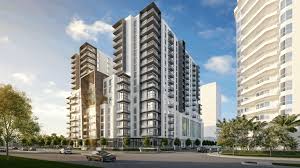
At the center of this transformation stands River District 14 Residences, one of the most compelling new investment opportunities in Miami’s urban core.
Developed by Alta Development, River District 14 is a 16-story condominium tower offering 283 fully furnished, turnkey residences. But what truly sets it apart is its design philosophy — built for both short-term and long-term rental flexibility, giving buyers the best of both worlds.
Key Highlights
- Flexible Ownership: Allows Airbnb, short-term, and long-term rentals, appealing to both end-users and investors.
- Turnkey Offering: Every residence comes fully furnished, ready to rent or move in from day one.
- Efficient Design: Streamlined layouts that reduce condo fees and operational costs.
- Resort-Level Amenities: Indoor pickleball courts, modern fitness center, lounge, and assigned parking with EV charging stations.
- Prime Location: Steps from the Miami River, River Landing, and just minutes from the Health District’s major hospitals and campuses.
River District 14 also holds EB-5 project approval, allowing qualified international investors to pursue U.S. residency through their investment — a major draw for overseas buyers looking for both lifestyle and immigration benefits.
For investors, this project represents a rare combination of flexibility, security, and long-term upside in a submarket that’s rapidly maturing.
5. Predictable Returns: Where Demand Never Sleeps
Unlike Miami’s beach or vacation submarkets that ebb and flow with tourism, the Health District’s housing demand is constant. Medical professionals, students, and patients need places to stay year-round — whether for weeks, months, or years.
This creates:
- High occupancy stability
- Steady rental cash flow
- Reduced seasonality risk
- Consistent capital appreciation
Many owners in this area report lower vacancy rates and fewer rent disruptions than those in purely lifestyle-driven neighborhoods. And as institutional growth continues, demand is projected to outpace new supply for the foreseeable future.
6. Pricing Advantage: A Smart Entry Point in Miami
While Brickell and Edgewater command premium price tags, the Health District still offers significantly lower price-per-square-foot opportunities — typically 15–30% below comparable central Miami developments.
River District 14, for example, starts around the $600,000 range, positioning it as one of the few affordable entry points into Miami’s new-construction market — especially given its short-term rental eligibility and fully furnished design.
For investors, this means a lower acquisition cost and stronger cash-on-cash returns compared to over-saturated luxury zones.
7. A Recession-Resistant Market
In times of economic uncertainty, healthcare and education remain among the most stable employment sectors. These institutions not only anchor the local economy but also expand continuously, ensuring sustained demand for housing.
The Health District’s alignment with these essential services makes it a defensive investment — one that holds its value even when cyclical markets cool.
8. Long-Term Appreciation Drivers
Several macro trends point to continued growth:
- Population growth and migration to South Florida
- Miami’s infrastructure expansion, connecting key urban nodes via the river and public transit
- Expansion of research and medical facilities, driving employment
- Increasing investor focus on mixed-use, health-oriented developments
As these trends compound, the Health District’s property values and rental yields are expected to appreciate steadily over the next decade.
Investing Where Necessity Meets Opportunity
While the headlines often focus on Miami’s luxury towers and beachfront properties, the city’s most strategically positioned market may be one built on something far more stable — essential human need.
The Miami Health District combines year-round housing demand, institutional growth, and improving infrastructure to form a powerful investment case. Projects like River District 14 offer the perfect entry point — a fully furnished, flexible, and future-ready residence in the heart of a market where demand never sleeps.
For investors looking for long-term stability, rental performance, and appreciation potential, the Health District isn’t just poised for growth — it’s already happening.
If you’d like to explore River District 14 or other active projects in Miami’s Health District, we’ll walk you through floor plans, rental projections, and financing options — helping you make an informed investment decision.
→ Get in touch to learn more about available residences and current incentives.
👉 [Browse Our Latest Florida Condo Listings]
👉 [Book a One-on-One Strategy Call]
Suggested Reads:
- How Are Interest Rates Impacting Florida’s Condo Market in 2025?
- Why Cash Buyers Have the Upper Hand in Today’s Market
- Are You Buying the Right Condo for Your Goals?
- How Deposit Structures Work for Pre-Construction Condos